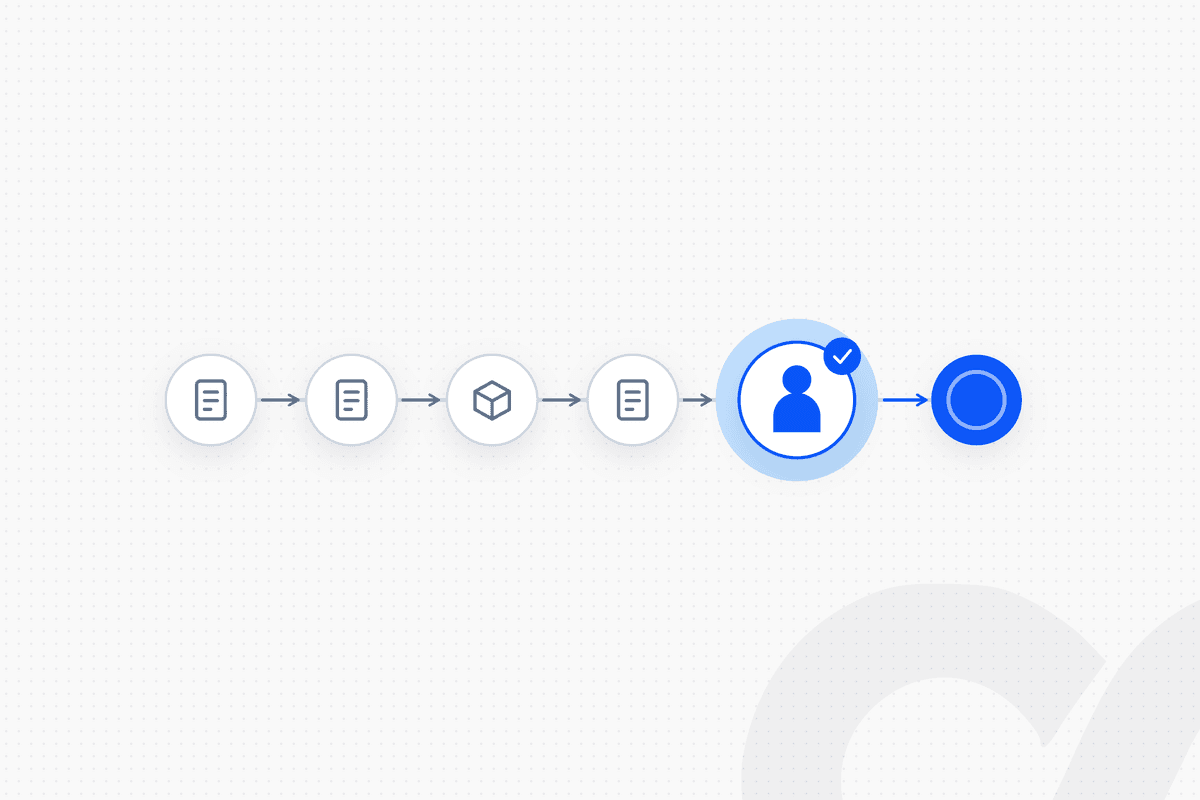
Procure-to-pay workflow, step by step: where automation belongs and where a person signs off
The procure-to-pay process from requisition to reconciled payment: what to automate at each step, the control that protects it and who signs off.
Page 2 of 7

The procure-to-pay process from requisition to reconciled payment: what to automate at each step, the control that protects it and who signs off.

Balance sheet reconciliation, account by account: the monthly order of work, the support each account needs and the sign-off evidence auditors ask for.

NetSuite AP automation, step by step: capture, coding, approval, three-way match, posting and the payment run, with the human control point at each step.

When to void a Stripe invoice, issue a credit note or refund, and the journal entry each needs in NetSuite, QuickBooks or Xero. Every rule cites Stripe.

Unbilled receivables pile up when contract terms never become invoices. A monthly control: contract, expected schedule, invoices, variance, owner.

Not every overdue invoice deserves the same effort. A simple scoring method by amount, age, and customer risk to decide what your team chases first.

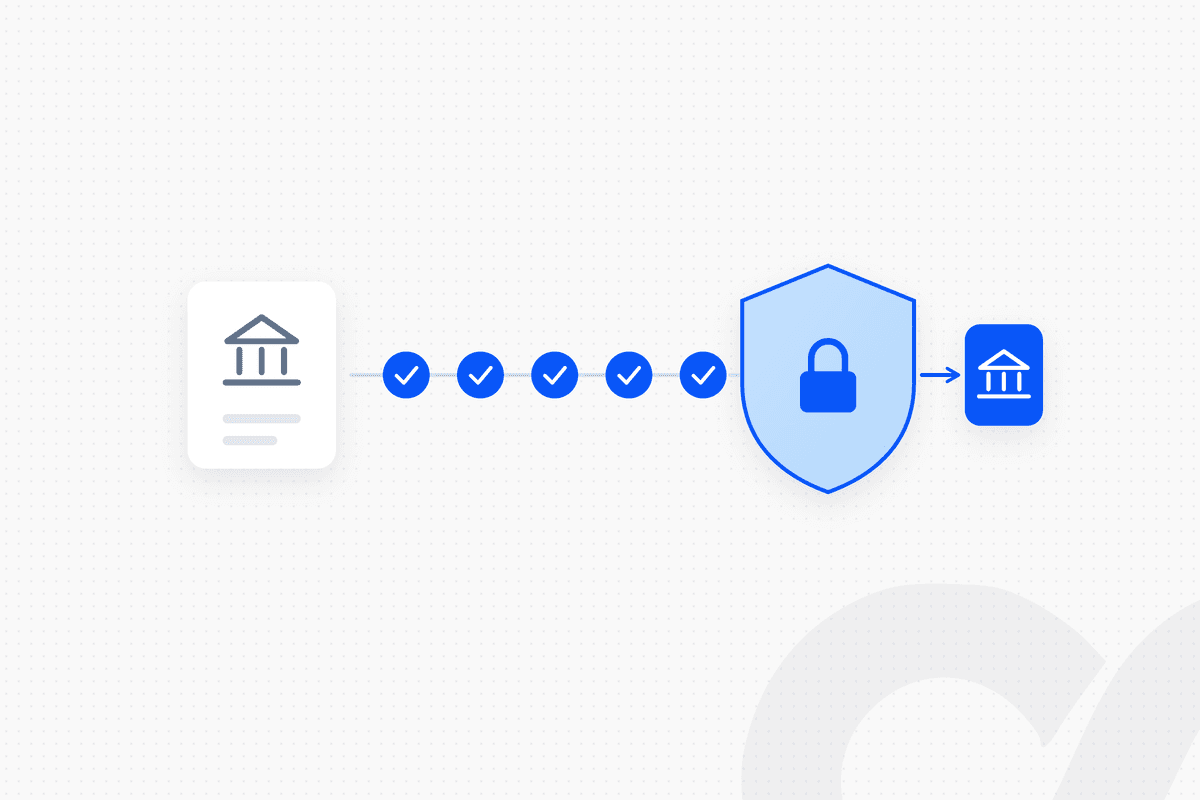
Vendor bank account change verification in five steps: log the request, call back a known contact, get a second approver and hold the first payment.

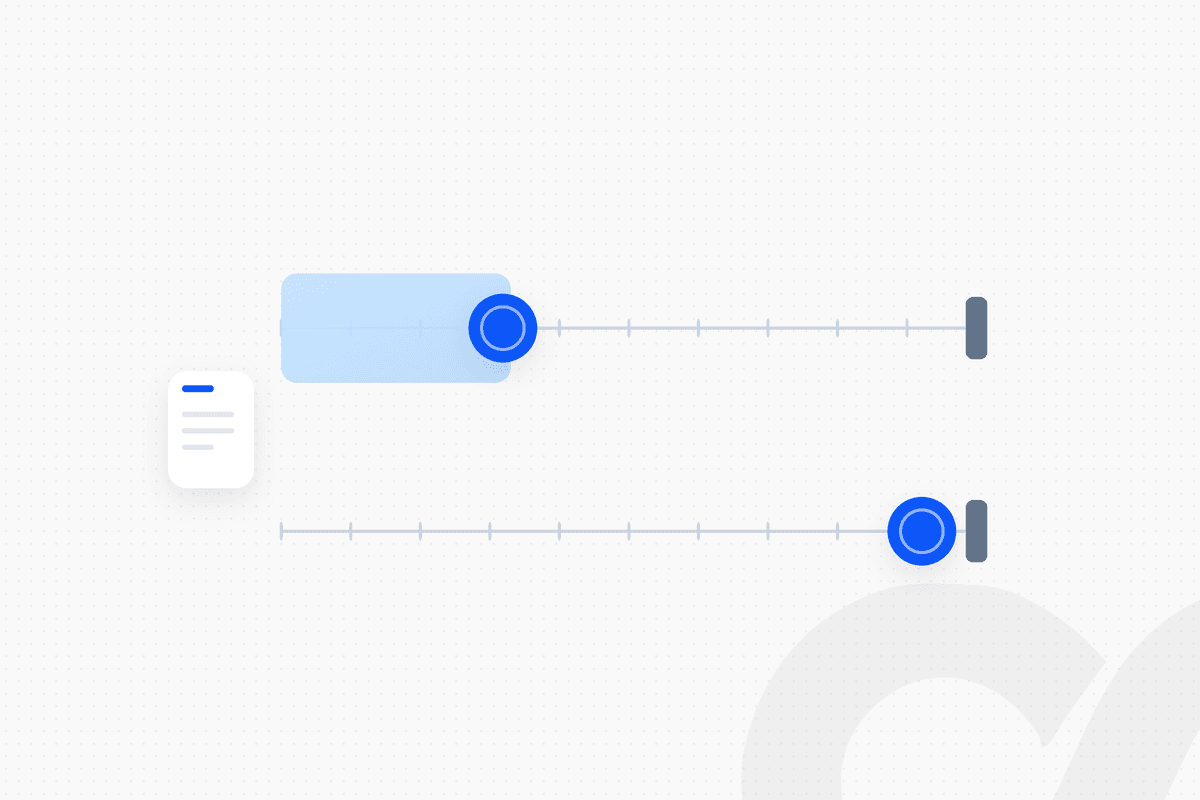
Extend days payable outstanding and still take early-payment discounts: the 2/10 net 30 math, a payment-run calendar and the controls behind it.

A contract asset and contract liability rollforward for SaaS, worked through one quarter: billings, revenue, reclasses to receivables and the GL tie-out.

Check usage data before billing with an eight-step pre-invoice checklist: missing events, duplicates, late usage, rate mapping, variance and sign-off.

An AR exception handling playbook for B2B SaaS: reason codes, owners, Slack escalation and write-off approval for short pays, deductions and disputes.

Speed up month-end close by fixing the handoffs that stall it: late data, manual reconciliations, and email approvals. A playbook for COOs and controllers.

Month-end accruals sorted: which accrued payables run as approved rules with auto-reversal, and which stay judgment calls with controller sign-off.

The cash conversion cycle formula is DIO plus DSO minus DPO. Work through one example from ERP numbers and see which finance workflows move each term.

Prepaid credits revenue recognition, step by step: usage drawdown, contract liability, and breakage under ASC 606, with a worked example of both methods.

ASC 340-40 deferred commissions from CRM deal to ERP entry: a worked amortization schedule with an upsell, an early churn and the quarter-end tie-out.

Order to cash automation starts at the order; SaaS revenue starts at the contract. The six handoffs where SaaS billing breaks, and the control for each.

Clean, current AR data is the input every cash forecast depends on. How AR automation and scoped AI improve forecast accuracy, and where they stop.

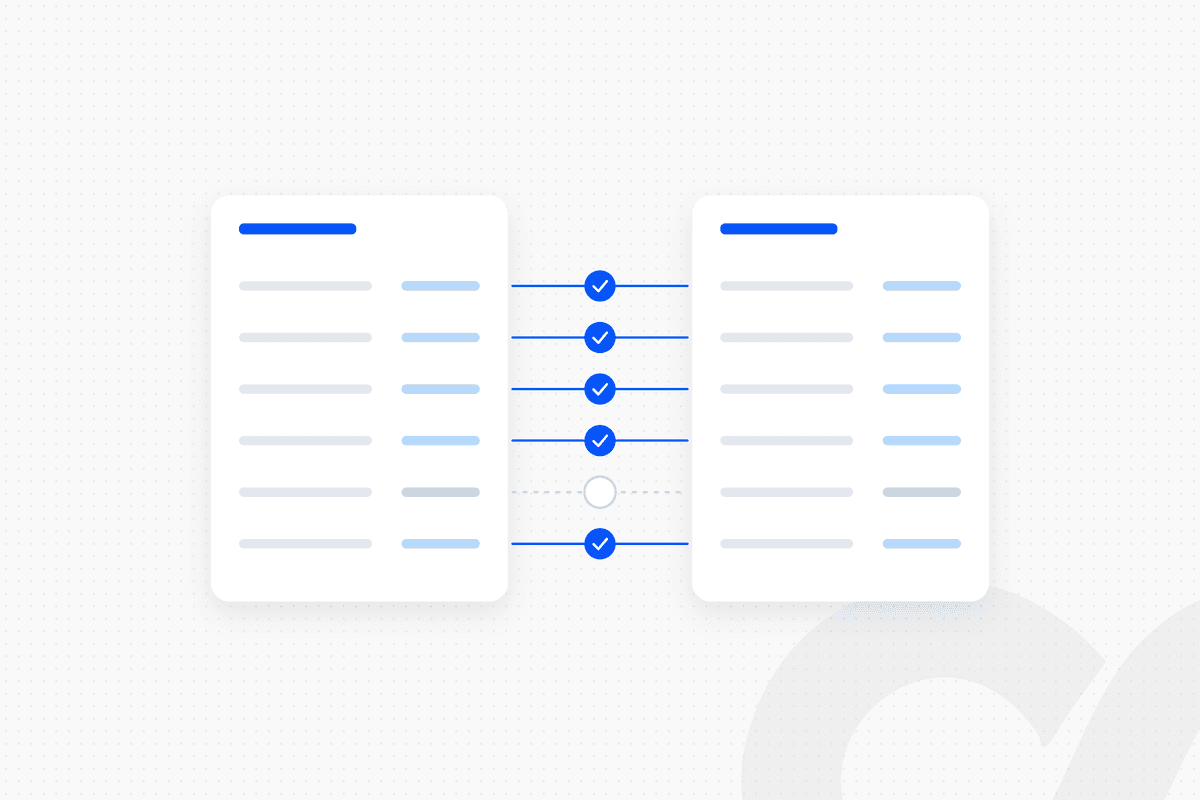
Payment reconciliation matches every payment to an invoice, a ledger entry, and a bank deposit. What it means in accounting and why growing teams struggle.

A paid bill that still shows as open is a phantom liability. How a broken Bill.com-to-ERP sync creates them and how to reconcile them at close.

Undo a bank reconciliation in QuickBooks Online step by step, what it resets, and the controls that keep a closed period closed.

Continuous accounting spreads reconciliation and review across the month, so the close confirms numbers instead of chasing them. How it works in practice.

Payments pile up in Undeposited Funds when a payout deposit never clears them. Why it happens in your ERP and how to clear the balance for good.

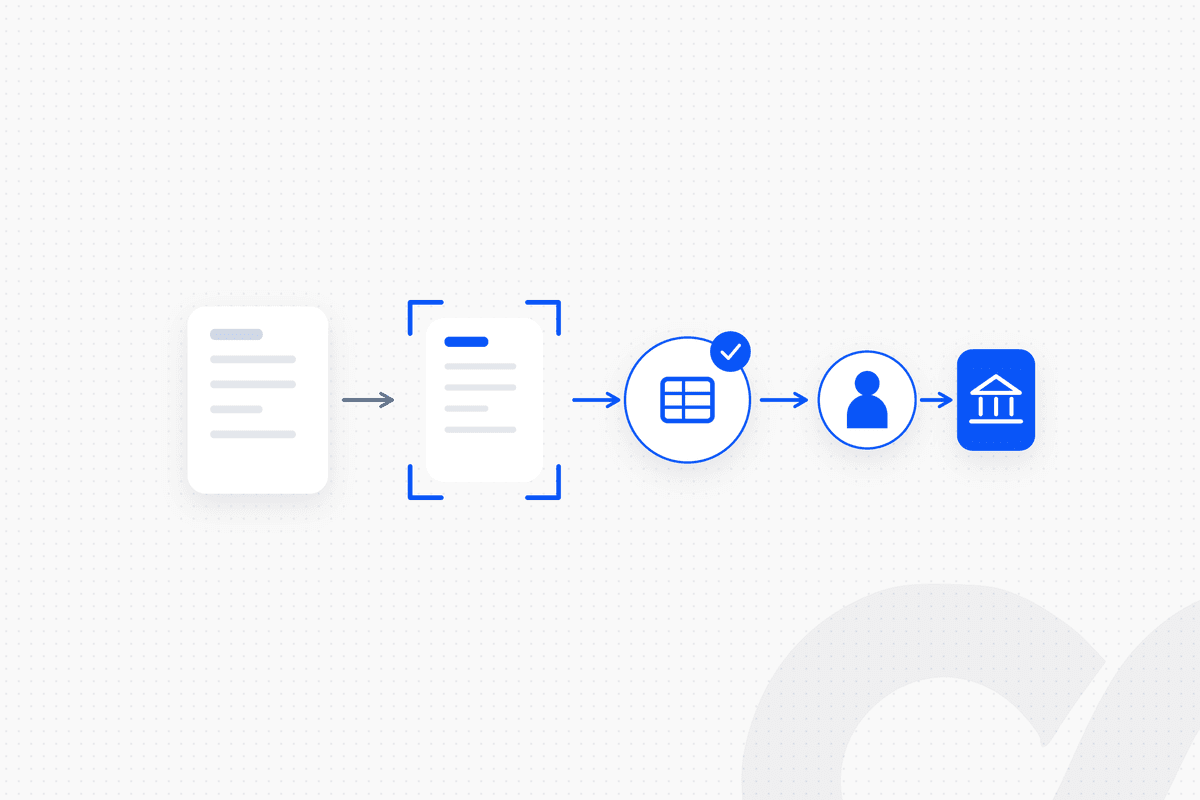
Accounts receivable automation runs invoicing, reminders, cash application, and reporting on predefined steps. What it is and how to set it up.