
Native sync or middleware? How to connect Bill.com to QuickBooks Online without duplicates
When the native http://Bill.com sync is enough, when you need middleware, and how to connect http://Bill.com to QuickBooks Online without duplicate bills.

Page 5 of 7

When the native http://Bill.com sync is enough, when you need middleware, and how to connect http://Bill.com to QuickBooks Online without duplicate bills.


Fix the two most common Salesforce-to-NetSuite item sync errors: 'invalid item reference for subsidiary' and a missing price book lookup.

PayPal balances, fees, and transfers rarely line up with ERP entries. How to reconcile PayPal payouts in NetSuite or QuickBooks, step by step.

Multi-entity finance needs routing by subsidiary, currency, and intercompany rules. The integration patterns that hold up across entities and at audit.

Receipt capture in QuickBooks can create a new transaction instead of matching the open bill. Why it happens and the matching rules that prevent it.

Celigo, Boomi, and Workato compared for NetSuite-Salesforce finance sync: prebuilt flows, pricing model, governance, and who maintains it.

Your options for integrating NetSuite with Salesforce: iPaaS, custom builds, and managed workflows. What each one syncs and what finance should own.

Vendor records drift apart between http://Bill.com and QuickBooks through renames, merges, and duplicates. The causes and a repeatable way to keep them aligned.

Design an AP approval workflow: thresholds, approvers by amount and department, Slack-native approvals, and a logged record of every decision.

Invoice processing takes a supplier invoice from receipt to payment. The steps in AP invoice processing and benchmark cycle times per invoice.

Partial payments, and single payments spread across many invoices, break simple matching. Rules for applying them, when to hold, and when a human approves.

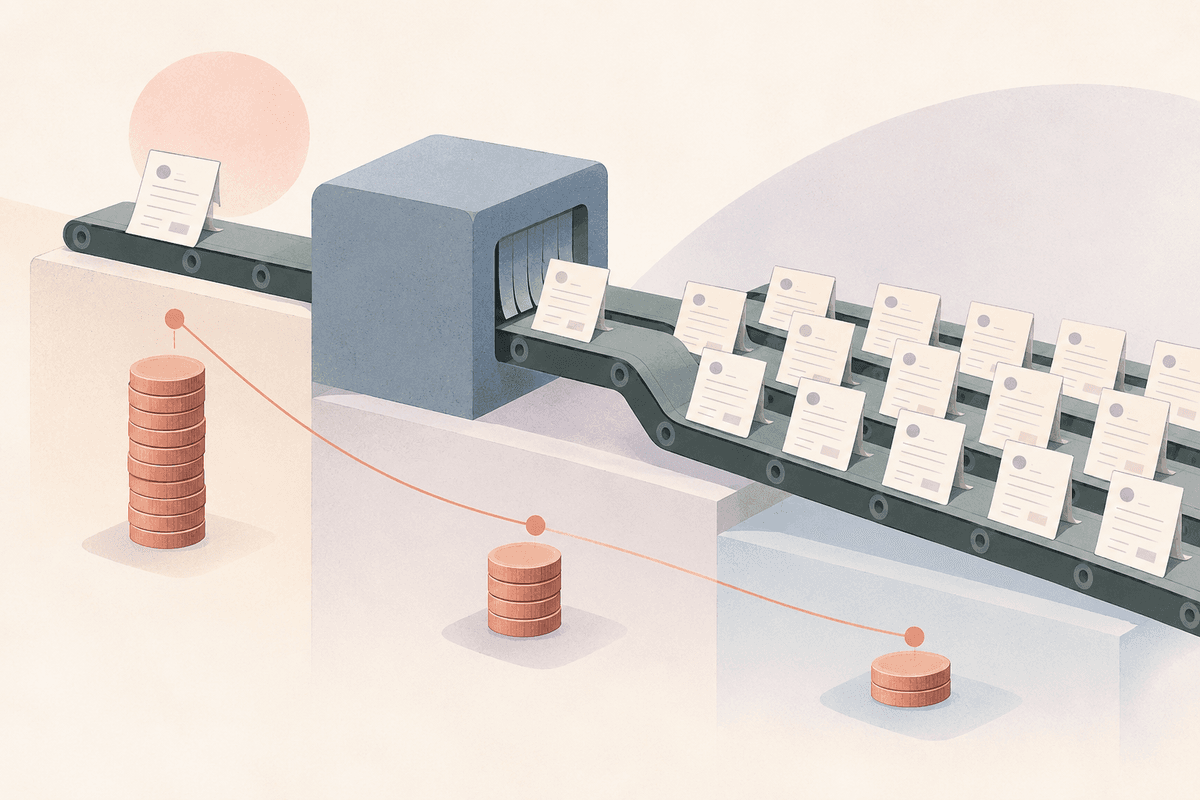
The fully loaded cost to process one AP invoice is a number almost no finance team can calculate precisely. Here is a reproducible worksheet, what most estimates miss, and how the cost curve changes as volume grows.

Discovery through first live workflow, with realistic timelines and what the finance team is actually responsible for at each step.

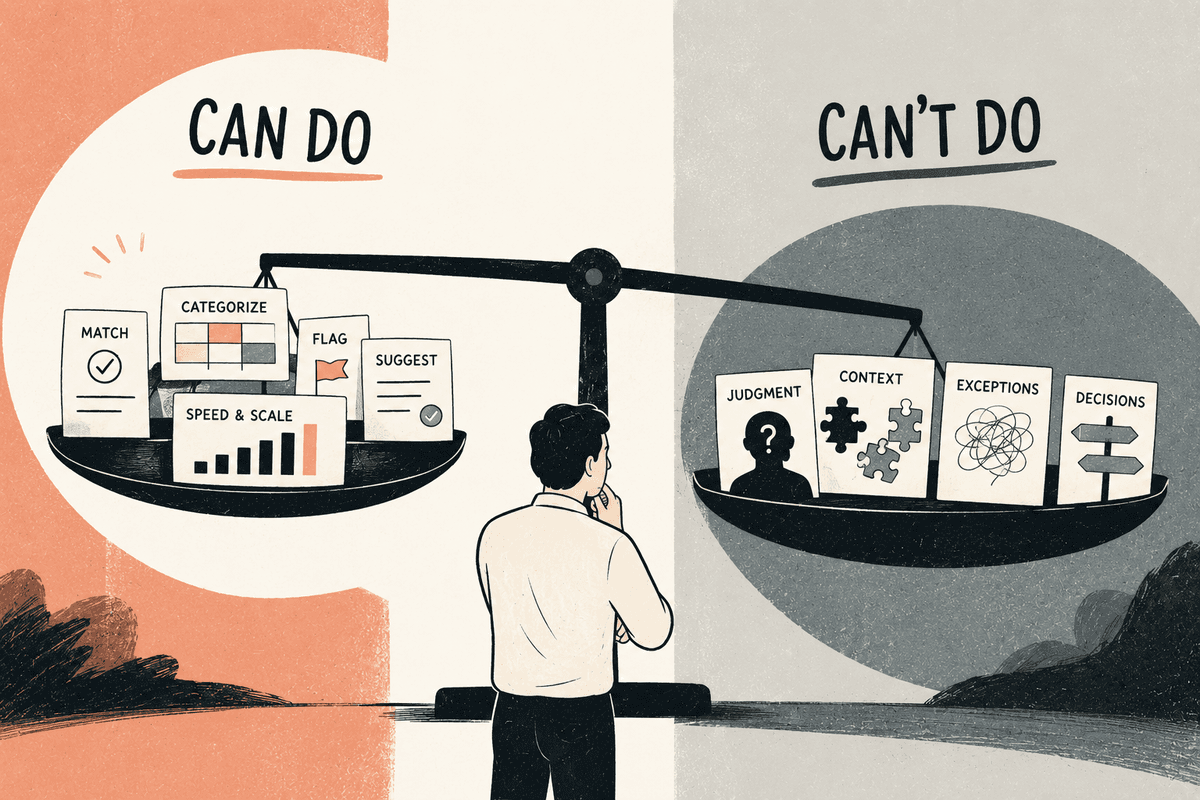
Every hour in a month-end close is either assembly or judgment. Understanding which is which reveals why most period-end cycles take longer than they should, and what to do about it.

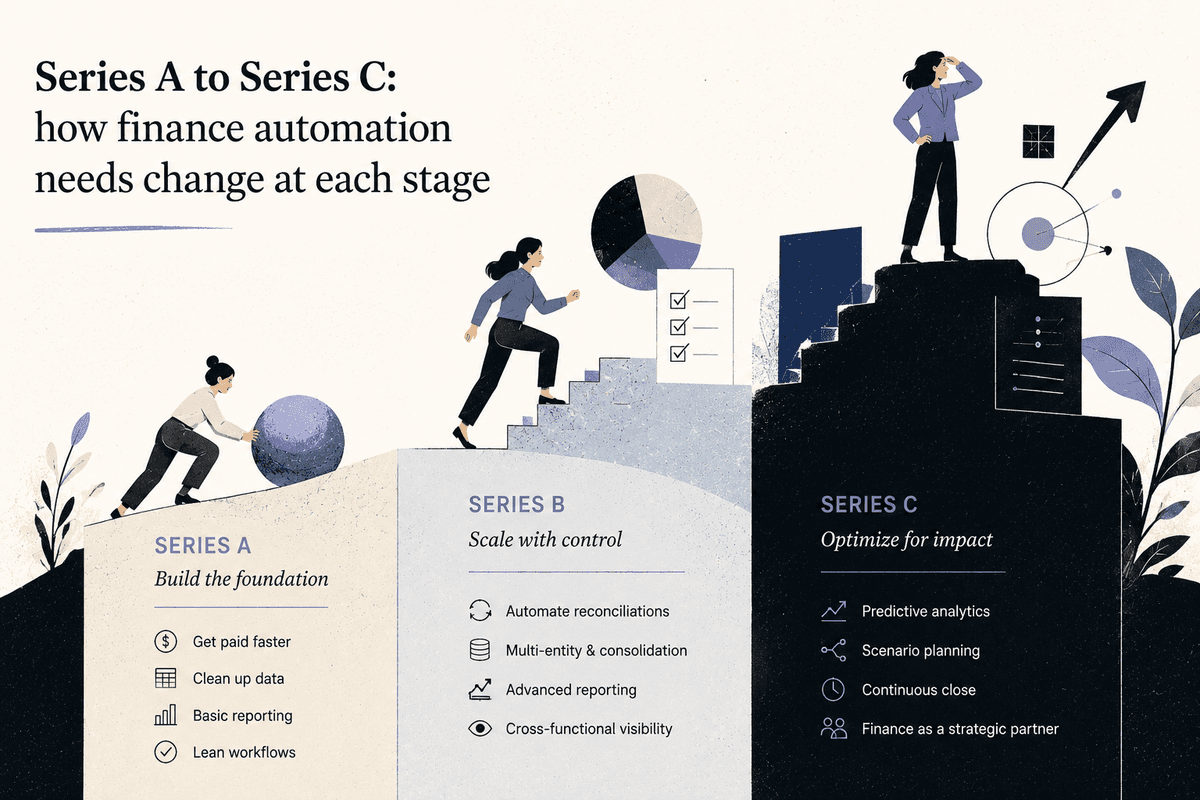
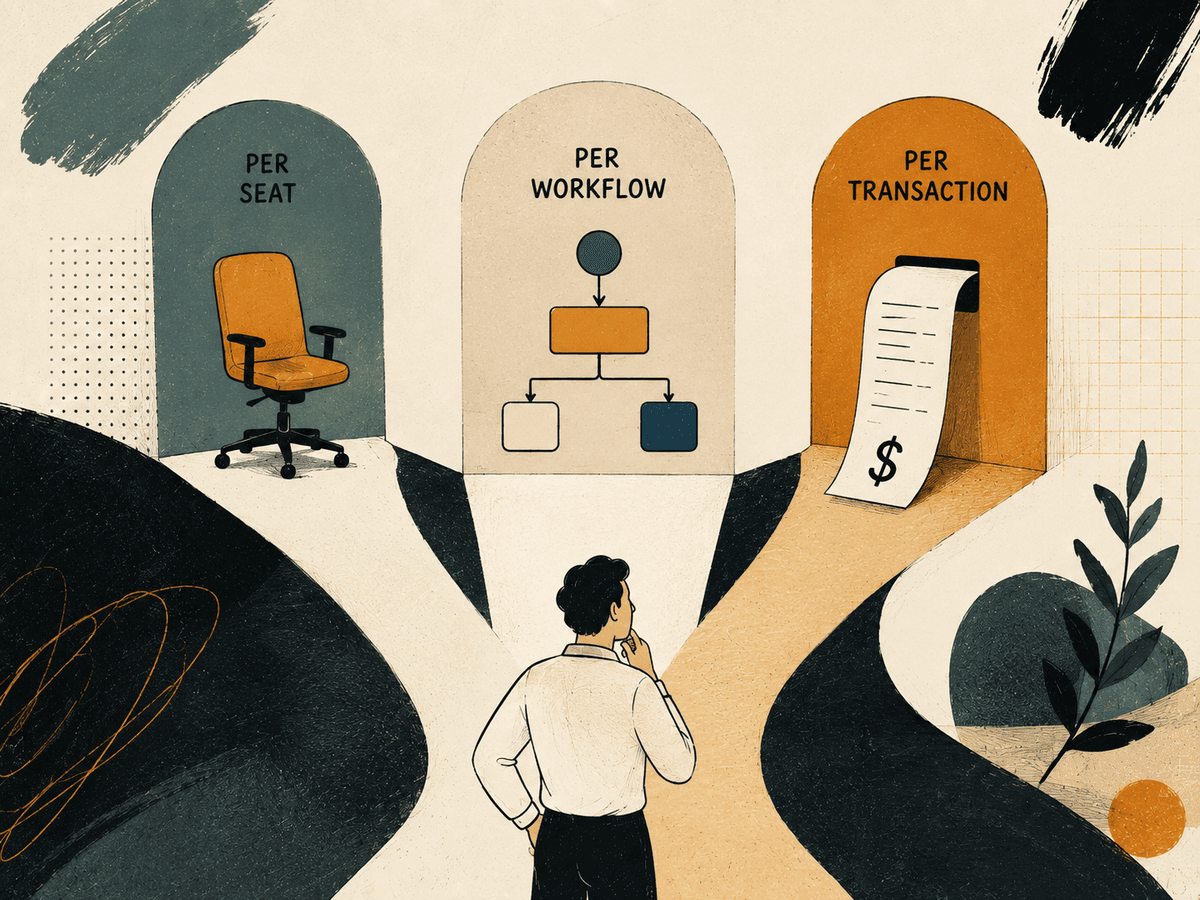
What to automate at each stage of scale, and which automation decisions become expensive to unwind later.

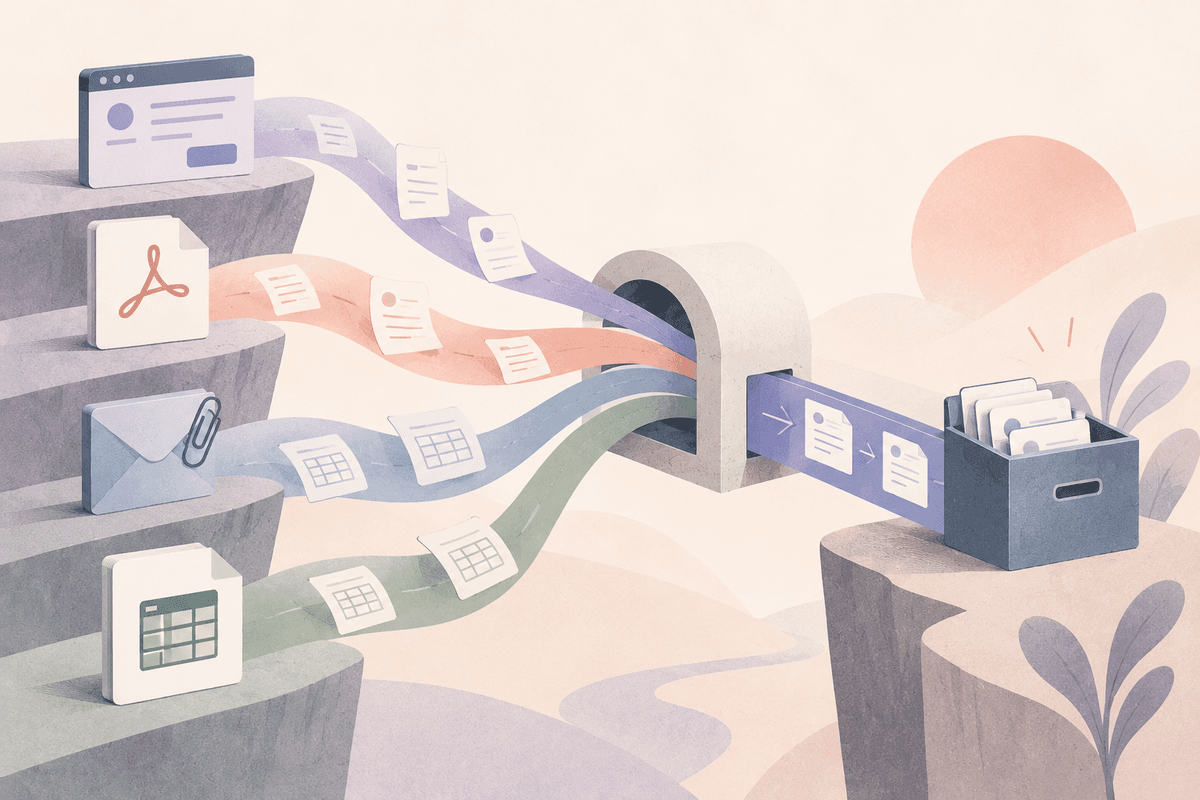
When a vendor portal, bank, or partner system has no API, you still need the data. Here are the four real options for extracting finance data from systems that weren't built to share it.

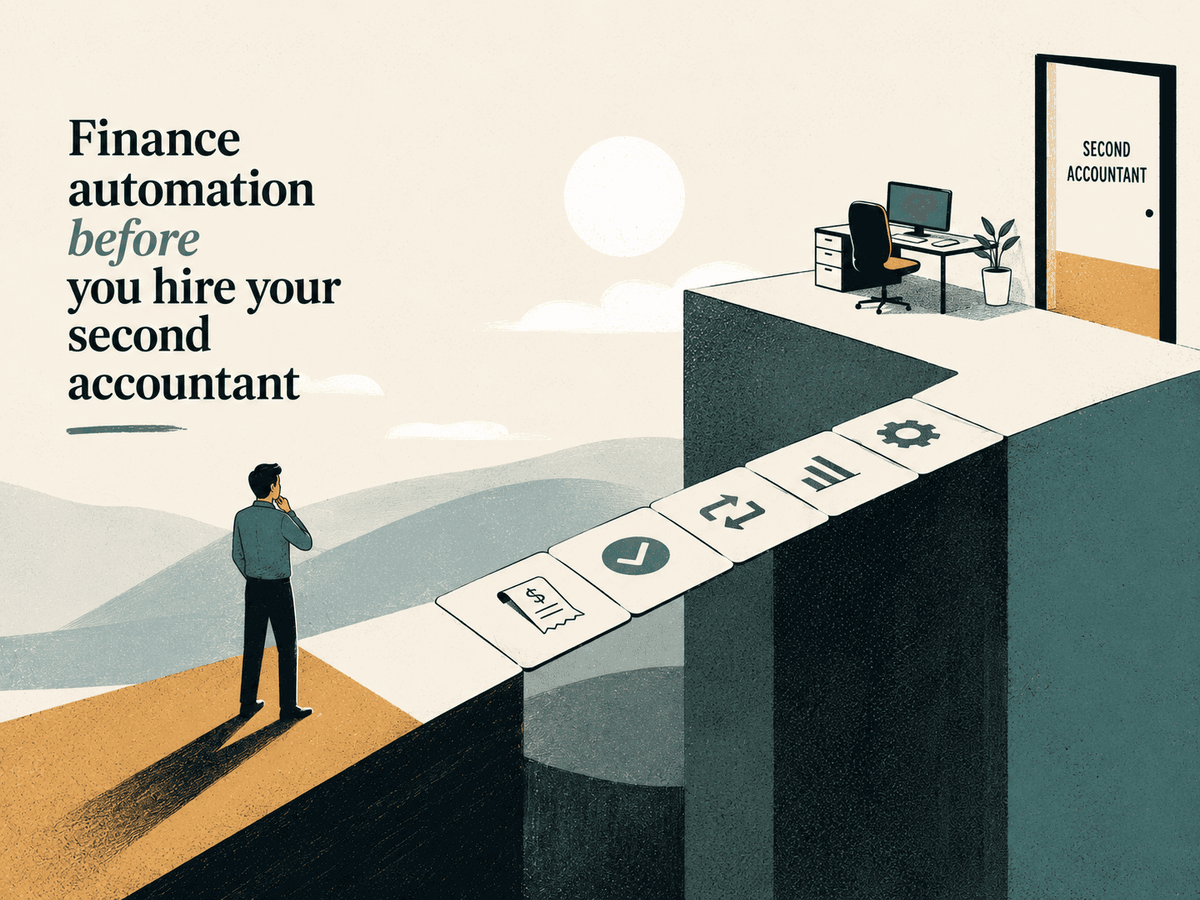
The headcount-deferral math, with a break-even model finance leads can run against their own numbers before opening a requisition.

What does your team actually own when you outsource your finance data engineering? Here is the week by week reality of implementation, exception handling, and ongoing maintenance.

The most under-discussed cost of DIY finance automation, with a practical checklist for de-risking what your team already runs.

Finance teams keep solving their data pipeline problem two expensive ways. A third model, borrowed from how HR thinks about outsourcing, hands off the assembly work entirely while keeping judgment exactly where it belongs.

Where to place approval gates so they catch real risk instead of becoming rubber stamps, with four working design patterns.

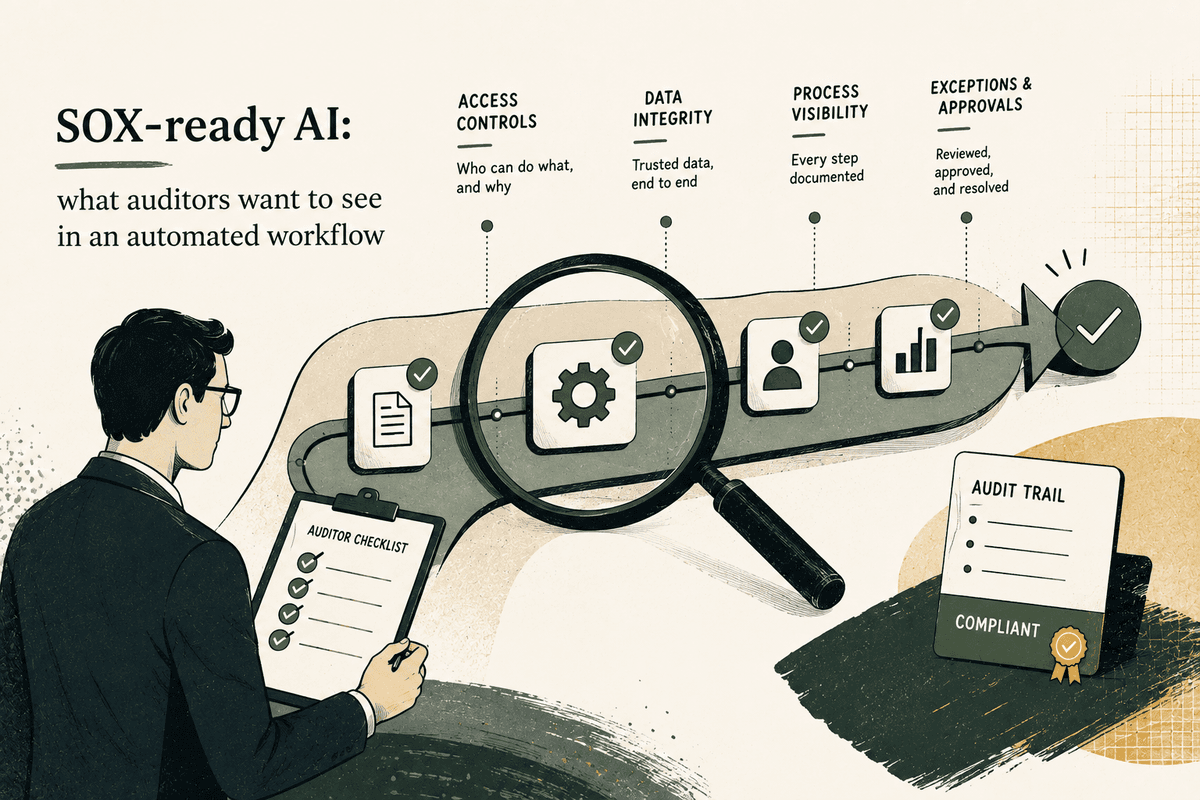
Control documentation, evidence retention, and segregation of duties when the party performing the control is a workflow, not a person.

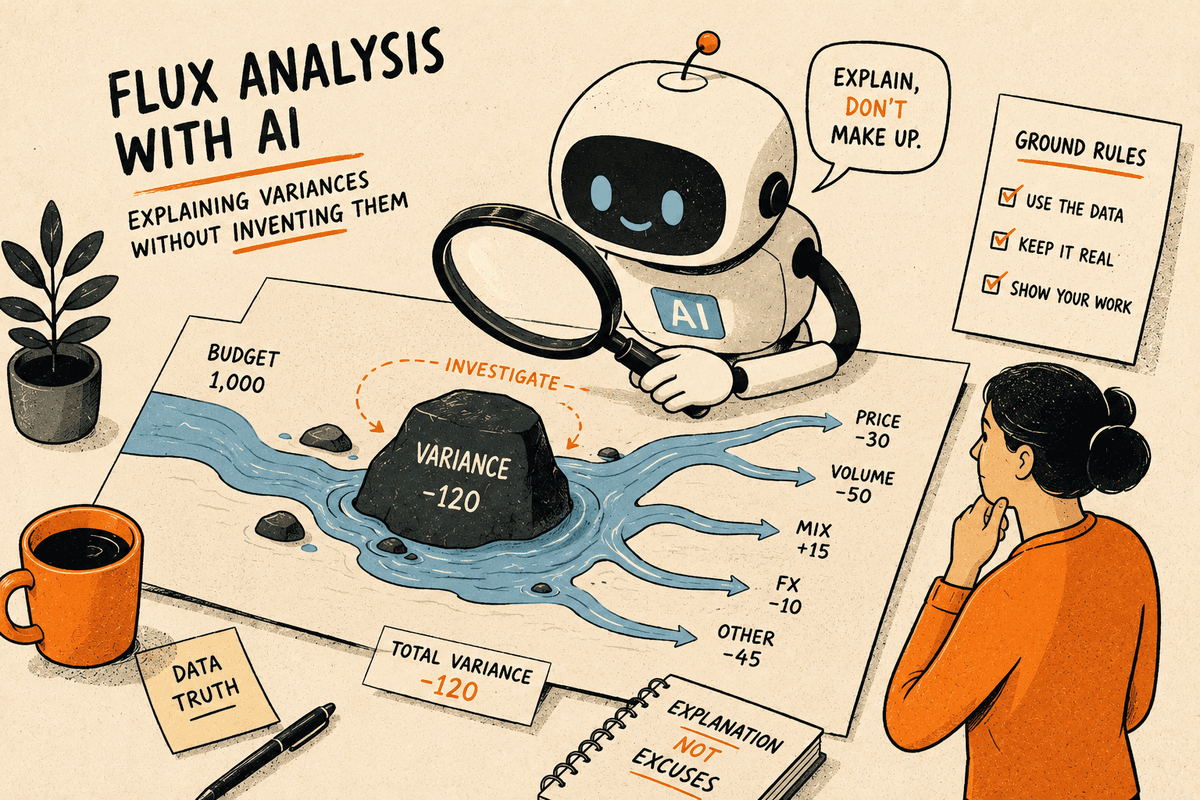
Using LLMs to draft variance commentary from source-linked data, with the guardrails that stop confident nonsense reaching the board deck.

Five levels from spreadsheet macros to event-driven workflows, plus a self-assessment for locating your team and choosing the next step.